Drain Line and Main Line
Drain line and main line cleaning in Elkton MD can help address stubborn clogs, slow drainage, and wastewater backups in residential and commercial plumbing systems. A properly functioning drainage system is essential for keeping your home or business clean, comfortable, and free from plumbing disruptions. When water drains slowly, unpleasant odors develop, or wastewater begins backing up, the problem may be caused by buildup inside your drain lines or a blockage in the main sewer line.
Professional drain line cleaning in Elkton, MD, helps remove accumulated debris, address stubborn clogs, and restore proper wastewater flow. Whether you are dealing with a slow kitchen sink, recurring bathroom clogs, or several fixtures backing up at once, identifying the cause is the first step toward finding the right solution.
Our drain cleaning services are designed to help residential and commercial property owners understand their drainage problems and choose an appropriate cleaning method based on the condition of their plumbing system.
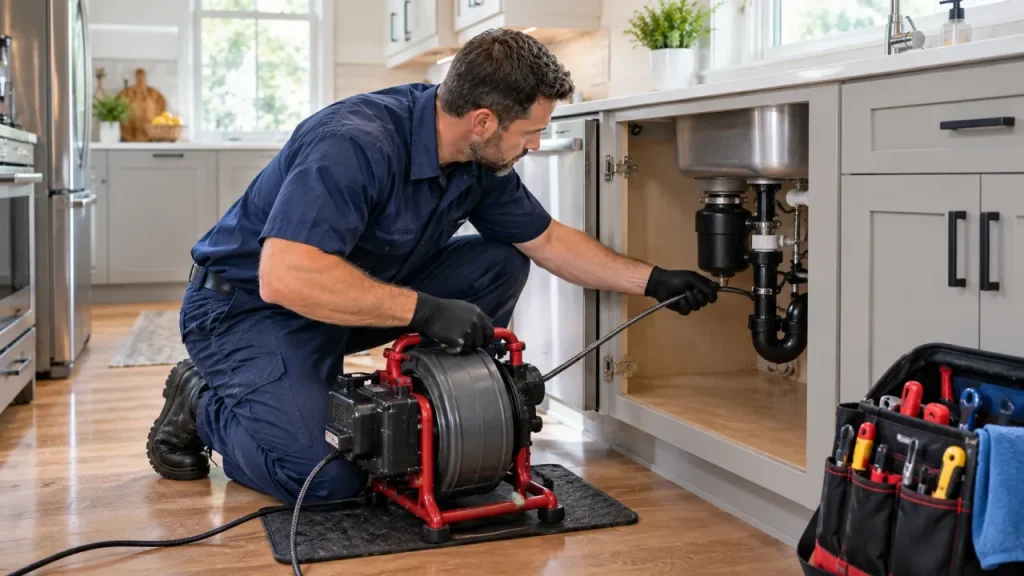
Table of Contents
Professional Drain Line Cleaning Services in Elkton, MD
Your property’s drainage system contains multiple pipes that carry wastewater away from sinks, showers, toilets, floor drains, and other plumbing fixtures. These individual drain lines connect to larger drainage pipes and, in many properties, a main sewer line.
Over time, grease, soap residue, hair, food particles, mineral deposits, and other materials can accumulate inside pipes. This buildup restricts water movement and may eventually cause a blockage. Professional drain pipe cleaning in Elkton, MD, helps address these problems using equipment selected for the type of clog and the condition of the pipe.
The right cleaning solution depends on where the blockage is located, how severe it is, and whether the pipe has any existing damage. A simple fixture clog may require a different approach from a blockage affecting the main drainage line.
Professional Drain Line and Main Line Cleaning in Elkton MD
Individual drain lines serve specific fixtures, cleaning in Elkton MD such as kitchen sinks, bathroom sinks, showers, bathtubs, and laundry drains. These pipes can become restricted by everyday materials that enter the plumbing system during normal use.
For example, kitchen drains may collect grease and food residue, while bathroom drains commonly accumulate hair and soap deposits. When these materials build up, water may drain slowly or stop moving altogether.
Professional cleaning helps remove suitable obstructions and improve drainage. If the same fixture repeatedly becomes clogged, an inspection can help determine whether the issue involves deeper buildup, a damaged pipe, or another plumbing concern.
Main Line Drain Cleaning
The main sewer line carries wastewater away from multiple fixtures and toward the property’s sewer connection or septic system. A blockage in this line can affect several areas of a home or commercial building at the same time.
You may notice multiple slow drains, gurgling toilets, wastewater returning through a lower-level drain, or recurring plumbing backups. These symptoms can indicate a main line problem, although a professional assessment is needed to confirm the cause.
Main line drain cleaning in Elkton, MD, focuses on identifying and removing suitable obstructions from the larger drainage system. If the pipe is cracked, collapsed, misaligned, or affected by substantial root intrusion, cleaning alone may not resolve the underlying issue.
Signs Your Drain Lines Need Professional Cleaning
Drainage problems often develop gradually. Recognizing early warning signs can help you arrange service before a minor inconvenience becomes a major disruption.
Common signs include:
- Slow-draining fixtures: Water takes longer than usual to leave sinks, tubs, or showers.
- Recurring blockages: The same drain becomes clogged repeatedly, even after temporary clearing.
- Unpleasant odors: Persistent smells may come from trapped debris, a dry drain trap, or a sewer-related issue.
- Gurgling sounds: Bubbling noises from drains or toilets can indicate restricted flow or air movement in the plumbing system.
- Multiple affected fixtures: Several drains experiencing problems at once may indicate a blockage in a shared line.
- Water backing up: Wastewater returning through a floor drain, toilet, or other fixture may indicate a serious obstruction.
- Outdoor drainage concerns: Unusual wet areas or sewage odors near a sewer line may warrant professional investigation.
If sewage is backing up into your property, stop using affected fixtures and contact a qualified plumber promptly. Avoid opening sewer cleanouts or handling contaminated water yourself.
What Causes Drain Line and Main Line Blockages?
Understanding what causes a blockage can help determine the most appropriate cleaning method and reduce the chance of repeat problems.
Grease and Food Debris
Cooking oils, fats, and grease can cool and stick to the inside of pipes. Over time, they may trap food particles and other debris, gradually narrowing the available space for water to flow.
Avoid pouring grease or cooking oil down the sink. Let it cool and dispose of it in an appropriate container. Using a sink strainer can also help prevent food scraps from entering the drain.
Hair and Soap Buildup
Hair can combine with soap residue and personal care products to create stubborn bathroom clogs. These materials often collect near drain openings or farther inside the pipe.
Regularly removing visible debris and using drain screens can reduce buildup. If water continues to drain slowly despite these steps, professional cleaning may be necessary.
Foreign Objects and Improper Flushing
Paper towels, hygiene products, wipes, and other unsuitable materials can obstruct toilet and sewer lines. Products labeled as flushable may also contribute to blockages because they may not break down as quickly as toilet paper.
Only flush toilet paper and human waste unless your plumbing professional advises otherwise.
Tree Root Intrusion
Tree roots can enter sewer pipes through existing cracks, loose joints, or damaged connections. Once inside, roots can catch debris and restrict wastewater flow.
Recurring blockages in the same main line may indicate root intrusion or another structural issue. A sewer camera inspection can help identify the cause and determine whether cleaning, repair, or replacement is appropriate.
Aging or Damaged Pipes
Older drainage systems may develop corrosion, cracks, separated joints, or sections with improper slope. These conditions can lead to repeated clogs even after the line has been cleaned.
Drain cleaning can remove an obstruction, but it cannot repair a damaged or collapsed pipe. When problems return frequently, further diagnosis is important.
Our Drain Line Cleaning Process
Every drainage issue is different, so the cleaning process should match the symptoms, blockage location, and condition of the plumbing system.
1. Assessing the Problem
The first step is understanding which fixtures are affected and how the problem developed. A plumber may ask whether the drain has clogged before, whether several fixtures are affected, and whether previous cleaning provided lasting relief.
These details help distinguish an isolated fixture blockage from a problem involving a shared drain line or the main sewer.
2. Locating the Blockage
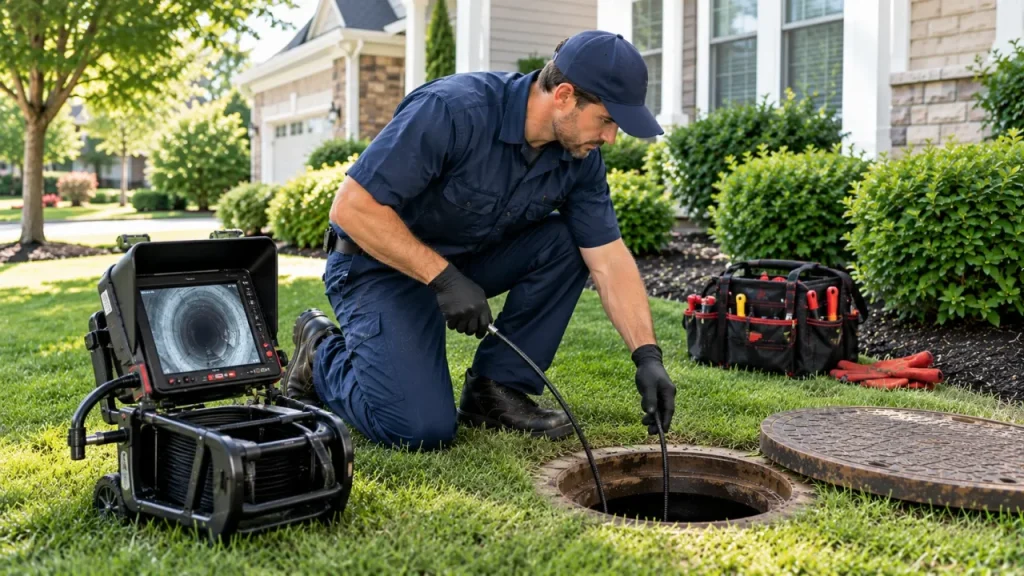
Depending on the situation, the plumber may inspect the affected fixture, access an appropriate cleanout, or recommend a sewer camera inspection. A camera can help reveal obstructions and possible pipe damage when the cause is unclear.
Not every drain requires camera inspection. The appropriate level of investigation depends on the symptoms and whether the problem continues to return.
3. Selecting the Right Cleaning Method
Different blockages require different tools. A mechanical drain snake may work well for certain localized clogs, while specialized water-based cleaning equipment may help remove suitable buildup from compatible pipes.
The plumber should consider pipe material, age, condition, blockage type, and access before choosing a method. Fragile or damaged pipes may require additional inspection before aggressive cleaning techniques are considered.
4. Clearing the Drain Line
Once the appropriate method is selected, the plumber works to remove the obstruction and restore wastewater flow. The goal is to clear the blockage while avoiding unnecessary damage to the plumbing system.
If the line cannot be cleared safely or structural damage is discovered, further inspection or repair may be necessary.
5. Checking Drainage Performance
After cleaning, the plumber may test the affected fixture or line to confirm that water is flowing more effectively. If symptoms remain, additional diagnosis may be required to locate a deeper blockage or underlying defect.
This final check helps determine whether cleaning has addressed the immediate problem or whether another solution is needed.
Professional Drain Cleaning Methods
The correct cleaning method depends on the type of obstruction, pipe condition, and location of the blockage.
Mechanical Drain Snaking
A drain snake or mechanical auger uses a flexible cable and specialized head to reach and break through certain obstructions. It can be useful for many localized clogs in sinks, tubs, showers, and other drains.
The equipment must be suitable for the pipe’s size and condition. Professional use can help reach blockages that ordinary household tools cannot safely remove.
Hydro Jetting
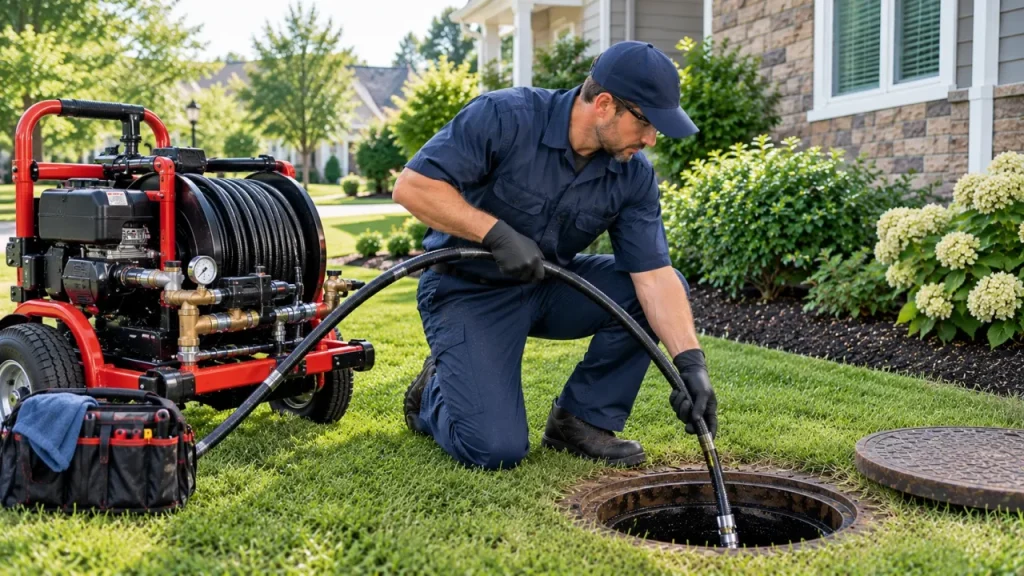
Hydro jetting uses controlled, high-pressure water to remove certain types of buildup from compatible pipes. It may help clear grease, sludge, and accumulated material along the interior of a drain line.
However, hydro jetting is not appropriate for every plumbing system. Pipes that are cracked, severely deteriorated, or structurally compromised may need inspection and repair before this method is considered.
Sewer Camera Inspection
A sewer camera inspection allows a plumber to view the inside of an accessible sewer pipe. It can help locate blockages and identify possible root intrusion, cracks, separated joints, or other damage.
Camera inspection is particularly useful when clogs repeatedly return or when several fixtures experience drainage problems without an obvious cause.
Drain Pipe Cleaning Company in Elkton, MD
Choosing a drain pipe cleaning company in Elkton, MD, involves more than finding someone who can temporarily clear a clog. A suitable service provider should assess the problem, explain the available options, and use equipment appropriate for the property’s plumbing system.
Before scheduling service, consider asking:
- What may be causing the blockage?
- Is the problem limited to one drain or affecting the main line?
- Is a camera inspection recommended?
- Which cleaning method is suitable for the pipe?
- Does the quoted price include inspection or additional diagnostic work?
- Could the problem require repair instead of cleaning alone?
Clear communication helps you understand the work being performed and avoid paying for a method that does not address the underlying issue.
If you are searching online for a drain line cleaner near me, focus on relevant experience, appropriate equipment, clear pricing, and service options for your particular drainage problem. A professional assessment can help you make an informed decision.
Residential Drain Line Cleaning
Homeowners rely on their drainage systems every day. Kitchen sinks, bathroom fixtures, laundry drains, and floor drains all need to carry wastewater away efficiently.
Routine habits can help reduce common problems. Keep grease out of kitchen sinks, remove visible hair from bathroom drains, and avoid flushing unsuitable materials. These simple steps can reduce everyday buildup, although they cannot prevent every blockage.
When a drain becomes repeatedly clogged, professional cleaning can help remove accumulated debris and identify problems that basic maintenance cannot resolve. If multiple fixtures are affected, a plumber may need to assess the shared drainage line or main sewer.
Commercial Drain and Main Line Cleaning
Commercial buildings often place heavier demands on their plumbing systems than typical homes. Restaurants may experience grease-related drainage issues, while offices, retail spaces, rental properties, and other businesses may have shared lines serving multiple fixtures.
Commercial drain line cleaning should take account of the building’s use, the severity of the blockage, and the need to minimize disruption to normal operations.
A maintenance plan may be useful for properties with recurring drainage problems or high wastewater usage. The appropriate schedule depends on the type of business, pipe condition, and previous plumbing history.
Benefits of Professional Drain Line Cleaning
Professional cleaning can provide several practical benefits when the method is suitable for the plumbing system.
- Improved drainage: Removing a suitable blockage helps wastewater move more freely.
- Fewer repeat clogs: Clearing accumulated debris can reduce recurring problems when buildup is the main cause.
- Better diagnosis: Inspection may reveal root intrusion, pipe damage, or another underlying concern.
- Reduced disruption: Prompt attention can help limit inconvenience at home or work.
- Informed maintenance decisions: Understanding the condition of the drain line helps property owners plan appropriate next steps.
Cleaning does not guarantee that a blockage will never return. If the underlying cause is a damaged pipe, root intrusion, or an ongoing source of debris, additional measures may be needed.
Drain Cleanout Services in Elkton, MD
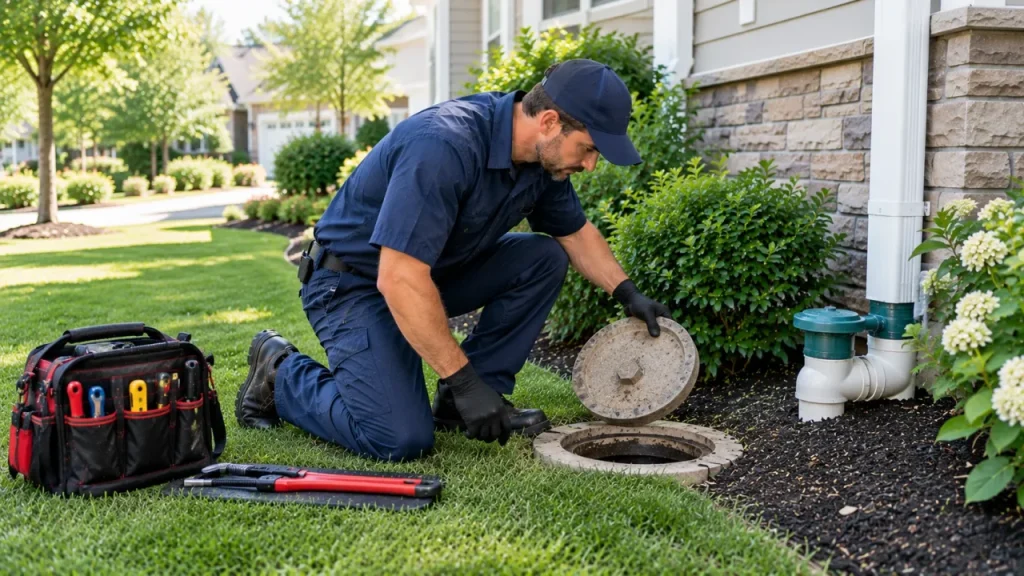
A drain cleanout is an access point that allows a plumber to reach certain sections of the drainage system. It can make it easier to inspect or clear a blockage without removing a plumbing fixture.
When a drain is severely clogged, the plumber may determine whether an accessible cleanout provides a suitable entry point for the cleaning equipment. The location and condition of the cleanout can affect how the work is performed.
If you are looking for drain cleanout services in Elkton, MD, avoid opening an unknown or backed-up cleanout yourself. Sewer water may escape under pressure, creating contamination and sanitation risks. A qualified professional can assess the situation and choose a safe approach.
How Often Should Drain Lines Be Cleaned?
There is no single cleaning schedule that suits every property. The appropriate frequency depends on pipe condition, water usage, the type of building, and whether the drainage system has a history of recurring blockages.
Many homes can manage ordinary buildup through good daily habits and attention to early warning signs. Properties with older pipes, frequent clogs, heavy kitchen use, or previous sewer problems may benefit from professional assessment and a maintenance plan.
Commercial buildings may need a different approach based on the amount and type of wastewater produced. A plumber can recommend a practical schedule after reviewing the system and its history.
Avoid relying on harsh chemical drain cleaners as a routine substitute for maintenance. Some products can create safety hazards, affect certain plumbing materials, or fail to resolve the underlying problem.
Main Line Drain Cleaning Near Me in Elkton, MD
When you search for main line drain cleaning near me, you want to understand why wastewater is not moving properly and what can be done to restore flow. A local service provider familiar with properties in Elkton, MD, can assess the symptoms and explain suitable cleaning or inspection options.
If several drains are backing up at once, avoid continuing to run water through affected fixtures. This can worsen a backup if the main line is obstructed. Arrange professional assistance, especially if wastewater is returning through a floor drain or toilet.
The best solution depends on the cause. Some problems can be resolved with professional cleaning, while others may require a camera inspection, pipe repair, or additional work.
Schedule Drain Line Cleaning in Elkton, MD
Slow drains and recurring blockages can interrupt your daily routine and may signal a larger plumbing problem. Whether you need help with an individual drain, a stubborn pipe obstruction, or a suspected main sewer blockage, professional assessment can help identify the next step.
Our drain line cleaning services in Elkton, MD, are intended to help residential and commercial property owners address drainage concerns with a practical, problem-focused approach. From locating the blockage to selecting a suitable cleaning method, the goal is to help restore proper drainage and identify issues that may require further attention.
If your drains are slow, clogs keep returning, or multiple fixtures are backing up, arrange a professional assessment.
Frequently Asked Questions
1. What is the difference between drain line cleaning and main line cleaning?
Drain line cleaning addresses blockages in individual pipes connected to fixtures such as kitchen sinks, bathroom sinks, showers, and laundry drains. Main line cleaning focuses on obstructions in the larger sewer line that carries wastewater away from multiple fixtures. The appropriate service depends on the blockage location.
2. What are the signs of a main sewer line blockage?
Common warning signs include several slow drains, gurgling toilets, recurring backups, unpleasant sewer odors, and wastewater returning through a floor drain or lower-level fixture. These symptoms may indicate a main line problem, but a professional inspection is needed to confirm the cause.
3. What commonly causes drain line blockages?
Drain line blockages can develop from grease, food debris, hair, soap residue, foreign objects, and accumulated material inside pipes. Tree roots and aging or damaged pipes can also contribute to recurring drainage problems.
4. How do plumbers clean a clogged main sewer line?
A plumber first assesses the symptoms and location of the blockage. Depending on the pipe condition and obstruction, the plumber may use mechanical drain-cleaning equipment, hydro jetting for compatible pipes, or a sewer camera inspection to investigate the problem.
5. Is hydro jetting safe for all drain pipes?
No. Hydro jetting uses high-pressure water and is not suitable for every plumbing system. Cracked, severely deteriorated, or structurally damaged pipes may require inspection and repair before hydro jetting is considered. A plumber can recommend a suitable method based on the pipe’s condition.